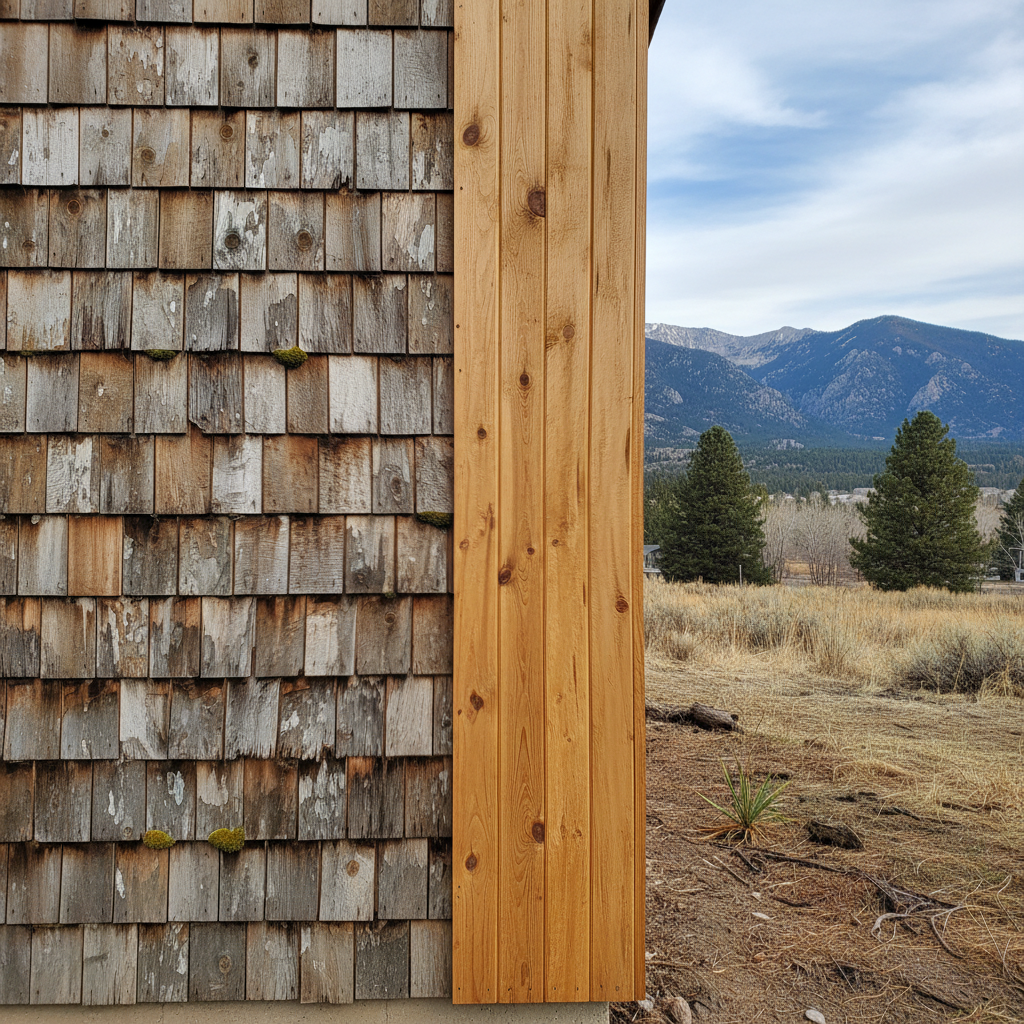
Your wood siding's looking a little rough, huh? It's a common sight around Ogden, especially after a few tough winters and scorching summers. You're probably standing there, scratching your head, trying to figure out if you can just refinish it or if you're stuck replacing the whole thing. It's a big decision, and there's no single right answer for everyone, but I can tell you what I've seen work and what usually doesn't.
Option 1: Refinishing Your Existing Wood Siding
Refinishing means you're stripping down the old finish, making any necessary repairs, and then putting on a new stain or paint. It sounds like the cheaper, easier option, right? Sometimes it is, but it really depends on the condition of your wood.
Cost
Upfront, refinishing usually costs less than a full replacement. You're paying for the labor to get the surface ready (sanding, scraping, cleaning) and then for the new finish itself. If your siding is in decent shape, with just some peeling paint or faded stain, you might save a few bucks initially. But don't forget, good prep work is crucial, and that takes time and skill.
Durability
This is where it gets tricky. If your wood is sound – no rot, no major cracks, no significant cupping – then a good refinish can extend its life. You're essentially putting a new protective layer on it. However, if there's any underlying damage, refinishing is just putting lipstick on a pig, as they say. That damage will keep getting worse, and your new finish won't last as long as it should.
Maintenance
Even with a fresh coat, you're still dealing with wood. That means you'll need to keep an eye on it. Depending on the type of finish and how much sun your house gets (those west-facing walls on the East Bench really take a beating), you're probably looking at re-staining or repainting every 3-7 years. It's an ongoing commitment.
Appearance
When someone does it right, refinished wood siding can look fantastic. It brings back the natural beauty of the wood, or gives it a crisp, new painted look. You get to keep the character of your home, which is a big plus for a lot of folks.
Option 2: Replacing Your Wood Siding
Replacing means taking off the old stuff and putting up brand new siding. This could be new wood, or it could be a different material entirely. For this comparison, let's just assume we're talking about replacing with new wood siding.
Cost
This is almost always the more expensive option upfront. You're paying for demolition, getting rid of the old material, and the cost of all new materials and installation. It's a bigger project, and the price tag shows it.
Durability
New wood siding, when installed and finished correctly, holds up really well. You're starting fresh with no hidden issues. With modern treatments and quality wood, it can stand up to Ogden's weather for a long time. It's a clean slate, so you know exactly what you're getting.
Maintenance
Even new wood siding needs maintenance, but usually not as often as refinished old siding, at least for the first cycle. You'll still need to clean it and eventually re-stain or repaint, but you'll get more years out of that initial finish. Think 5-10 years, sometimes more, before the first major maintenance cycle.
Appearance
Brand new wood siding looks, well, brand new. It's uniform, clean, and gives your home a significant facelift. If your old siding was severely damaged, replacing it is the only way to get that truly fresh, high-quality look.
My Recommendation for Ogden Homeowners
Look, I've seen a lot of siding in my years running Oasis Siding Solutions. Here's the deal: if your wood siding has widespread rot, significant insect damage, or is severely warped and cracked in multiple places, you're usually better off replacing it. Trying to refinish severely damaged wood is often a waste of money because the underlying problems will just resurface, and you'll be back at square one sooner than you think.
However, if your wood siding is structurally sound, with only cosmetic issues like fading, minor peeling, or surface dirt, then refinishing is absolutely a viable option. It can save you money and keep the original charm of your home. Just make sure the prep work is thorough – that's 80% of a good refinish job.
Ultimately, it comes down to a thorough inspection. Before you make any big decisions, have a pro take a good look at your siding. We can tell you if it's got enough life left for a good refinish, or if it's time to invest in a full replacement. Sometimes, a mix of both is even the right call – replacing the worst sections and refinishing the rest. Don't guess; get an expert opinion to save yourself headaches and money down the road.