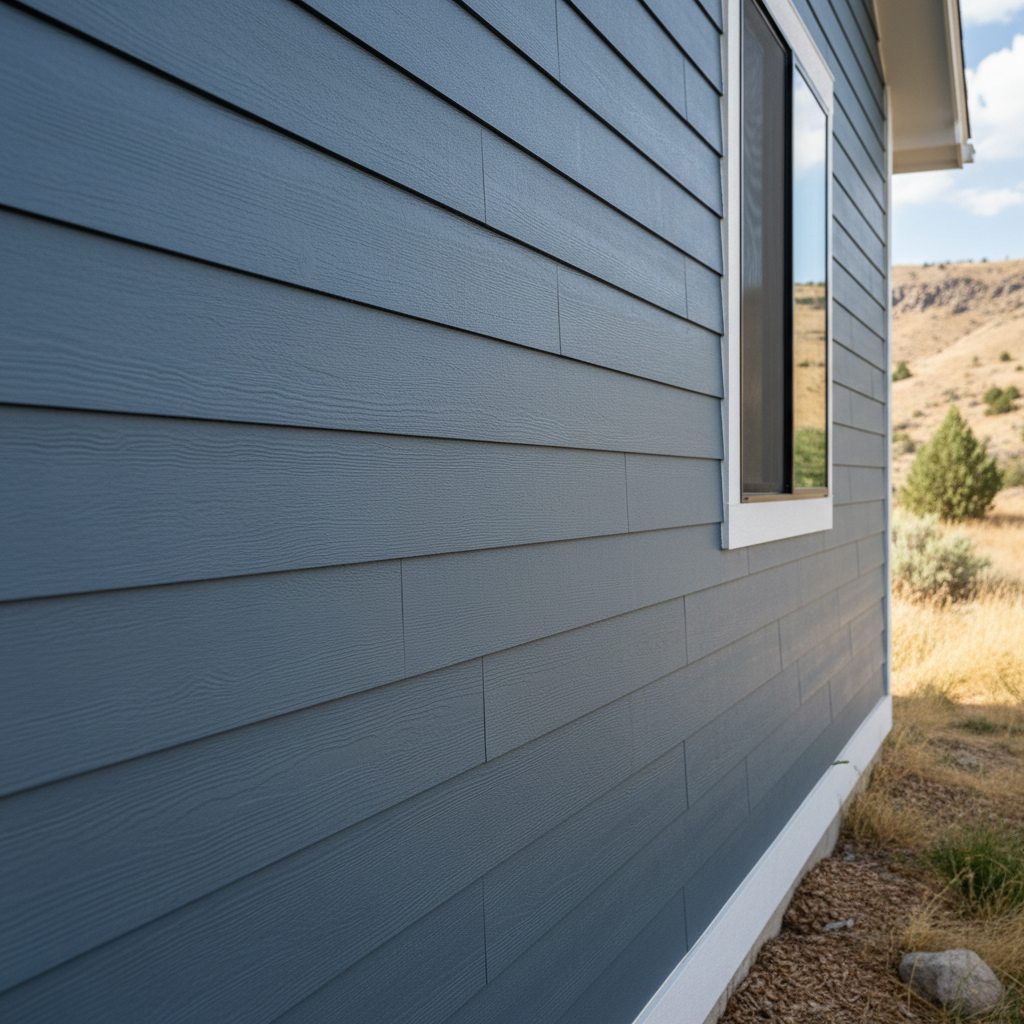
Your home's siding really is its first line of defense against our wild Ogden weather. I mean, from those scorching summer days to the heavy snowfalls we get each winter, it takes a beating. It's easy to just forget about it until something goes wrong, but a little proactive checking can save you a ton of headaches and money later on. We're talking about catching small issues before they blow up into big, expensive repairs.
Before You Start Your Siding Inspection
First things first, you've got to get ready. Grab a good pair of binoculars, especially if you live in a two-story house or have parts of your siding that are tough to reach. A notepad and pen, or your phone for pictures, are absolutely essential. Trust me, you won't remember every little detail. You might need a ladder for a closer look, but safety is the big thing here. If you're not comfortable on a ladder, don't push it. That's a pretty clear sign you might need a pro for those specific areas.
When was the last time you actually paid attention to your siding? Was it after a huge storm? Maybe before you painted? Knowing your home's history really helps. Also, think about how old your siding is. Vinyl, fiber cement, wood – they all have different lifespans and common quirks. For instance, older homes in the East Bench area with their original wood siding might see more rot than a newer place with fiber cement.
What to Look For During Your DIY Siding Inspection
Alright, let's get down to it. Walk all the way around your house, taking your time. Seriously, don't rush. I always tell people to pretend they're looking at someone else's house – it helps you be more objective, you know?
- Cracks, Chips, and Holes: These are pretty obvious spots where moisture can get in. Even tiny cracks can let water seep behind the siding, which can lead to rot or mold. Pay extra attention to corners, around windows, and near doors.
- Loose or Missing Panels/Boards: High winds can really do a number on siding. If you spot panels flapping or missing entirely, that's a big red flag. It leaves the underlayment and structure exposed to the elements.
- Warping or Buckling: You see this a lot with vinyl siding, especially if it wasn't installed quite right or if it's been through some wild temperature swings. It could also point to moisture problems underneath.
- Fading or Discoloration: Mostly this is just cosmetic, but if the fading is really bad, it can sometimes mean your siding's protective coating is wearing thin, making it more vulnerable. Green or black streaks? That's usually algae or mildew, and it needs a good cleaning.
- Rot or Soft Spots (especially with wood siding): Gently poke any suspicious-looking wood with a screwdriver. If it feels soft or crumbles, you've definitely got rot. This is serious stuff and needs immediate attention.
- Pest Infestation Signs: Keep an eye out for small holes, little piles of sawdust, or even nests. Termites, carpenter ants, and other pests absolutely love to set up shop in damaged or damp siding.
- Caulking Conditions: Check the caulk around your windows, doors, and trim. If it's cracked, shrunken, or gone missing, it's not doing its job of keeping water out.
- Gaps Around Utility Penetrations: Dryer vents, outdoor faucets, electrical conduits – make sure these are sealed up tight. They're often overlooked weak points, wouldn't you say?
When to Call a Pro Like Oasis Siding Solutions
So, you've done your walk-around, jotted down your notes, and now you're probably thinking, 'What's next?' Here's when it's smart to just pick up the phone and call us, or another reputable siding contractor:
- Extensive Damage: If a whole section of siding is warped, rotted, or gone, that's way beyond a simple DIY patch job.
- Suspected Structural Issues: If you see deep rot, or if you think water has gotten into your wall structure, you need an expert to properly assess the damage.
- High-Up or Hard-to-Reach Areas: Don't risk a fall. If you can't safely inspect or fix a section, let us handle it. We've got the right gear and training.
- Water Intrusion Indoors: If you're spotting water stains on your interior walls or ceiling, especially after it rains, your siding isn't doing its job. A professional needs to find the source and fix it.
- Persistent Pest Problems: You can spray for ants, sure, but if you suspect a serious infestation that's messing with your home's structure, a pro can help figure out how bad it is.
- You're Just Not Sure: Honestly, sometimes you simply need another set of eyes. We do these inspections all the time, so we know exactly what to look for and what it means. We can give you an honest assessment – whether it's an easy fix or something a bit more involved.
A good siding inspection isn't about finding every tiny flaw; it's more about understanding the overall health of your home's exterior. Taking the time to do a thorough checkup now can save you a lot of grief later. And remember, for anything that feels too big or too risky to tackle yourself, Oasis Siding Solutions is always here to help Ogden homeowners keep their houses in great shape.