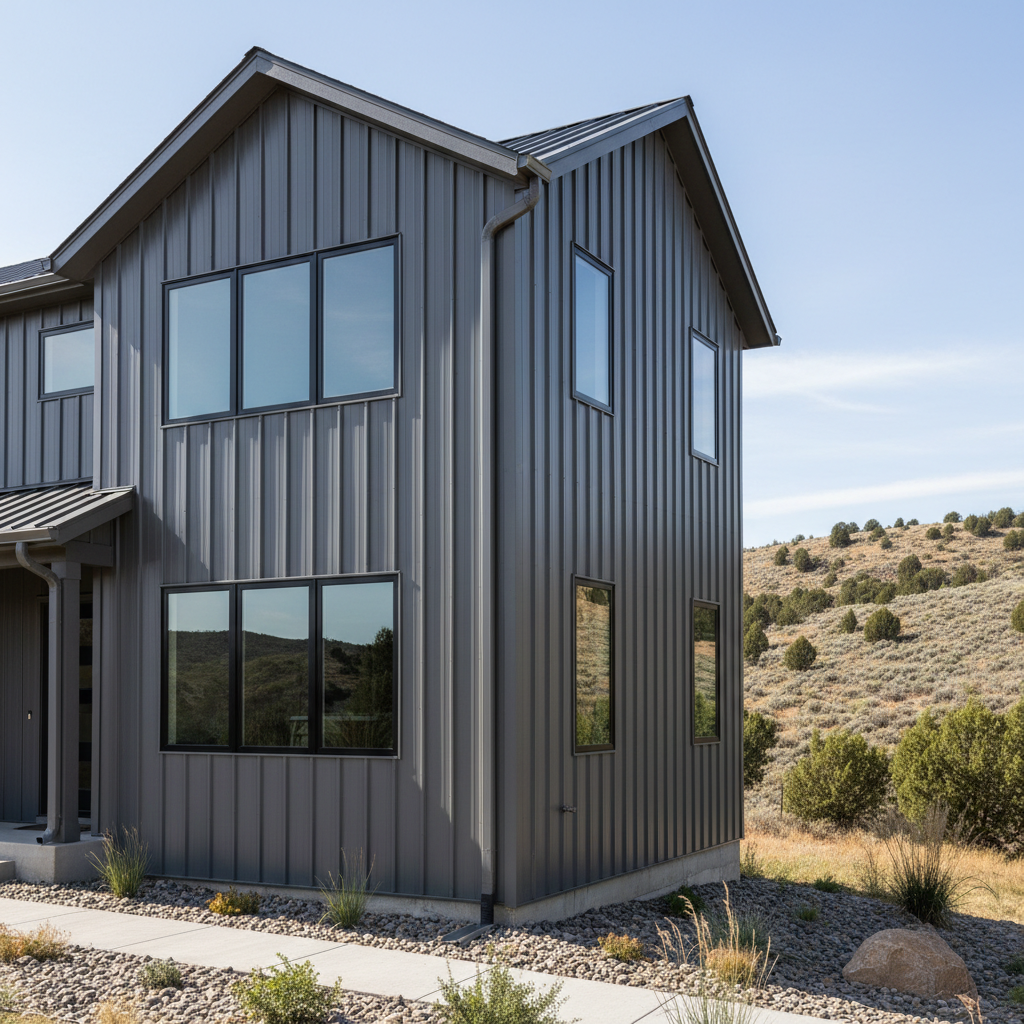
Ogden Metal Siding Maintenance: Keep Yours Looking Sharp & Lasting Longer
So, you've got metal siding on your place, huh? Smart move. It's tough, looks good, and honestly, it's one of the best investments you can make for a home here in Ogden. But "tough" doesn't mean "bulletproof" or "set it and forget it." Just like anything else, a little bit of care goes a long way to making sure your metal siding lasts its full lifespan and keeps looking as good as the day we put it up.
I see a lot of metal siding jobs around here, from the older homes up on the East Bench to the newer builds down in Pleasant View. And I can tell you, the ones that hold up best over the decades are the ones that get a bit of attention. You're not going to be out there painting it every year, but there are definitely things you should be doing.
Extending the Life of Your Metal Siding in Utah's Climate
Utah's climate, especially right here in Ogden, isn't exactly easy on exterior materials. We get scorching summers, freezing winters, heavy snow loads, and that spring freeze-thaw cycle that can really do a number on things. Here's what I recommend to make sure your metal siding laughs in the face of all that:
Keep it Clean: This is probably the biggest one. Dirt, dust, pollen, and even air pollution can build up on your siding. Not only does it look bad, but it can trap moisture and even promote mildew growth in shaded areas. You don't need fancy chemicals. A garden hose with a spray nozzle and a soft-bristle brush, or even a low-pressure power washer (and I mean LOW pressure, like under 1500 PSI, and keep the nozzle moving) is usually all it takes. Do this once a year, maybe twice if your place is under a lot of trees or on a dusty road.
Mind Your Gutters: Overflowing gutters are a siding killer, plain and simple. When water pours over the side, it runs down your siding, carrying grime with it, and can even get behind the panels if there's a weak spot. Keep those gutters clean and make sure they're draining away from your foundation. This is especially crucial before winter hits and all that snowmelt starts flowing.
Trim Those Trees and Shrubs: Any vegetation touching your siding is a problem. Branches rubbing against it in the wind can scratch the finish, and dense bushes can trap moisture against the panels, creating a perfect environment for mildew or even corrosion if the finish is compromised. Give your house some breathing room, okay?
Check Your Sealants: Around windows, doors, and where different materials meet, you've got caulk. This stuff doesn't last forever. Sunlight, temperature swings, and just plain age make it crack and pull away. Take a walk around your house every couple of years and look for failing caulk. If you see gaps, scrape out the old stuff and re-caulk it. It's a cheap fix that prevents big problems.
What Regular Maintenance Looks Like
Beyond the annual wash, here's a quick checklist for your metal siding:
Seasonal Walk-Around: After a big storm, or after the snow melts in spring, just take a lap around your house. Look for anything obvious: loose panels, dents, scratches, or anything that just doesn't look right. Catching small issues early is always better.
Inspect for Scratches or Dings: If you find a scratch that goes through the paint, you'll want to address it. Most metal siding manufacturers offer touch-up paint. It's not just about looks; it's about preventing rust. This is especially true for steel siding. Aluminum is more resistant to rust, but a deep scratch can still be an eyesore.
Check Fasteners: Sometimes, especially with older installations or high winds, a fastener might back out a bit. If you can, gently tap it back in. If a whole panel feels loose, that's a bigger deal and might need a pro.
Warning Signs of Problems
Your siding usually gives you clues when something's wrong. Don't ignore these:
Bubbling or Peeling Paint: This is a red flag. It means moisture is getting in behind the finish, or there's a manufacturing defect. Either way, it needs attention.
Rust Spots: For steel siding, rust is the enemy. Small spots can be touched up, but widespread rust indicates a bigger issue, possibly with the coating or constant moisture exposure.
Loose or Rattling Panels: If your siding sounds like it's going to fly off in a strong Canyon wind, it's definitely time to investigate.
Water Stains Below Windows or Vents: This almost always points to a flashing or sealant failure. Water is getting behind your siding, and that can lead to rot in your wall sheathing, even with metal siding.
Dents or Significant Damage: Hail storms aren't common in Ogden, but they happen. Or maybe a kid's baseball went a little wild. Dents compromise the aesthetics and can sometimes affect the integrity of the panel's coating.
When to Call Oasis Siding Solutions
Look, I'm a big believer in homeowners doing what they can. But there are times when you just need to call in the cavalry. If you see any of the major warning signs I just mentioned, especially widespread bubbling, rust, or loose panels, don't try to DIY a major repair. You could make it worse or miss the root cause.
Also, if you're uncomfortable on a ladder, or if the problem area is high up on a two-story house, it's not worth risking a fall. We've got the right equipment and the experience to safely assess and fix these issues. We can pinpoint why your siding is failing, whether it's an installation flaw, age, or just the beating it takes from Ogden's weather. Getting it fixed right the first time will save you headaches and money down the road.