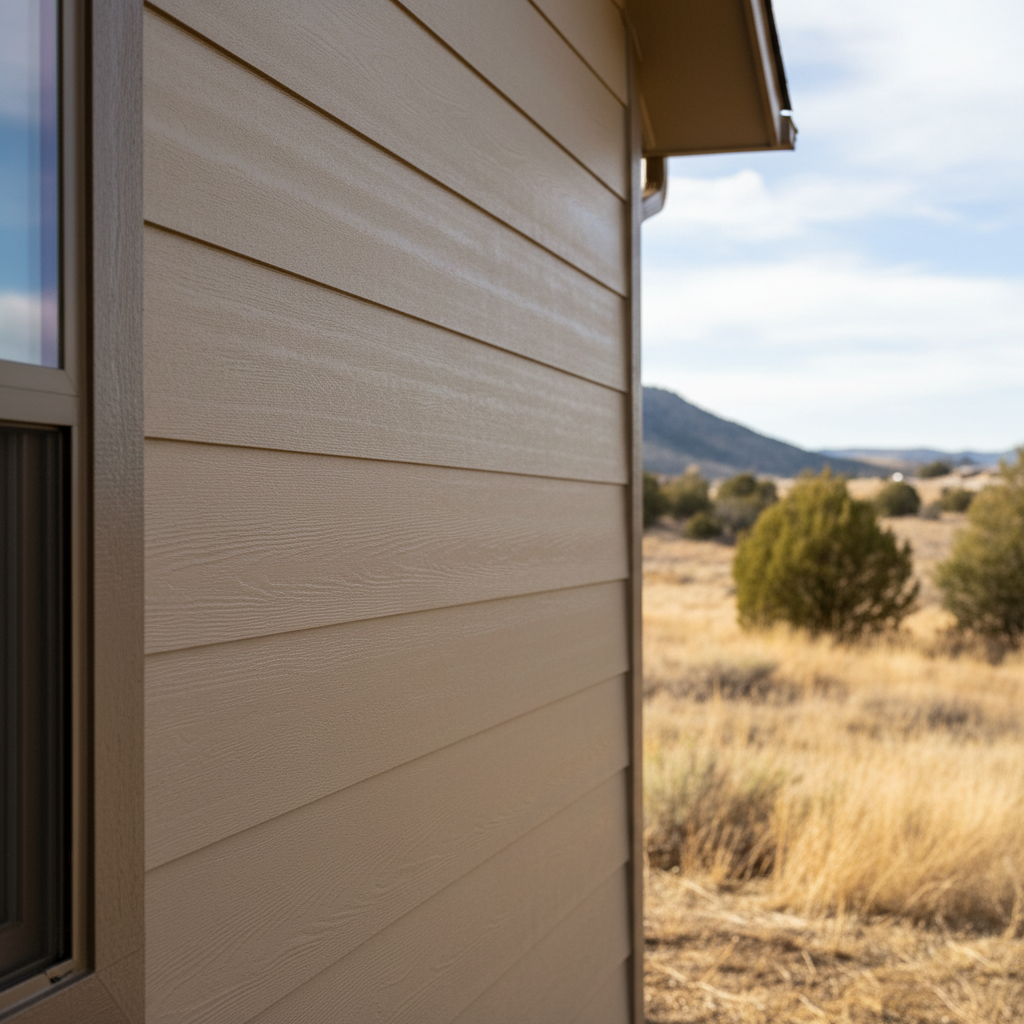
What exactly is cement siding, anyway?
Alright, let's start here. When folks say "cement siding," they're almost always talking about fiber cement siding. It's not just a slab of concrete on your house; that'd be crazy heavy and crack like nobody's business, wouldn't it? Fiber cement is actually a composite material, usually made from cement, sand, wood pulp, and water. These ingredients get mixed up, pressed into sheets, and then cured. What you end up with is a really durable, dense board that looks a lot like wood siding, but without all the headaches that often come with wood.
It's engineered to be tough, which is why it's become such a popular choice. You see it on a lot of newer homes up in the Foothills area of Ogden, and it's a smart upgrade for older homes too.
Is fiber cement siding really as durable as everyone says?
You bet it is. This stuff is built to last. I've seen it stand up to some pretty wild weather here in Ogden, from our scorching summer sun to those heavy winter snows and everything in between. It's incredibly resistant to rot, pests like termites, and even fire. Unlike wood, it doesn't swell or shrink much with temperature changes, so your paint job tends to last longer. It's also impact-resistant, which is a big plus if you've got kids playing outside or if we get a hailstorm. You're looking at a siding material that can easily last 30-50 years, sometimes more, with proper installation and maintenance. That's a solid investment.
How much does cement siding cost compared to other options?
This is where it gets a little more nuanced. Generally, fiber cement siding is going to be more expensive upfront than vinyl siding, but typically less than natural wood or brick. Think of it as a mid-to-high range option when you're looking at initial installation costs. However, you've got to consider the long-term value. Because it lasts so long and requires less maintenance than wood, your lifetime costs can actually be lower. You're not repainting every few years, and you're not dealing with rot repairs. So, while the sticker price might be a bit higher than basic vinyl, you're buying a whole lot more durability. It's a trade-off, but one that usually pays off.
Can I paint fiber cement siding, or does it come pre-colored?
You've got options, which is great. Fiber cement siding comes in two main forms: primed for paint or pre-finished with color. If you go with the primed option, it's ready for you or your painter to apply a high-quality exterior paint. This gives you total flexibility on color, and you can change it down the road if you want a fresh look. Just make sure you're using a paint that's specifically designed for fiber cement or exterior use and follow the manufacturer's recommendations.
The pre-finished option is fantastic for convenience. It comes with a durable, factory-applied finish in a wide range of colors. This finish is usually baked on, so it's incredibly tough and long-lasting, often coming with its own warranty against fading or peeling. It costs a bit more upfront, but it saves you the painting step and often looks fantastic right out of the gate. For homeowners in areas like East Bench, where curb appeal is a big deal, pre-finished options are really popular.
What kind of maintenance does cement siding need?
This is one of its biggest selling points: low maintenance. You won't be scraping and repainting every five years like with some wood sidings. Generally, you'll want to give it a good cleaning every year or two. A soft brush and a garden hose, or a low-pressure power washer, usually does the trick to remove dirt, dust, and any mildew that might accumulate, especially on the north-facing sides of your home that don't get as much sun. Just be careful with high-pressure washing; you don't want to damage the finish or force water behind the panels.
Beyond that, it's mostly about keeping an eye on your caulk lines around windows and doors. If you see any cracking or deterioration, it's a good idea to re-caulk to prevent water intrusion. And, of course, if you notice any damage from impact, it's best to get it repaired promptly. That's pretty much it – simple stuff that keeps your home looking great for decades.
Is cement siding good for Ogden's climate?
Absolutely, it's an excellent choice for our climate here in Ogden. Think about what we deal with: hot, dry summers that can bake other materials, and then cold, wet winters with snow and freezing temperatures. Fiber cement handles these extremes beautifully. It doesn't warp or crack from the heat, and it's not going to absorb moisture and rot like wood can when we get those heavy snowfalls melting against the house.
It also stands up well to the strong winds we sometimes get coming down from the canyons. Its density and fire resistance are also big plusses, especially for homes closer to the wildland-urban interface. I've installed plenty of it through Oasis Siding Solutions, and I always feel confident recommending it for homes around here because it just performs so consistently, year after year.