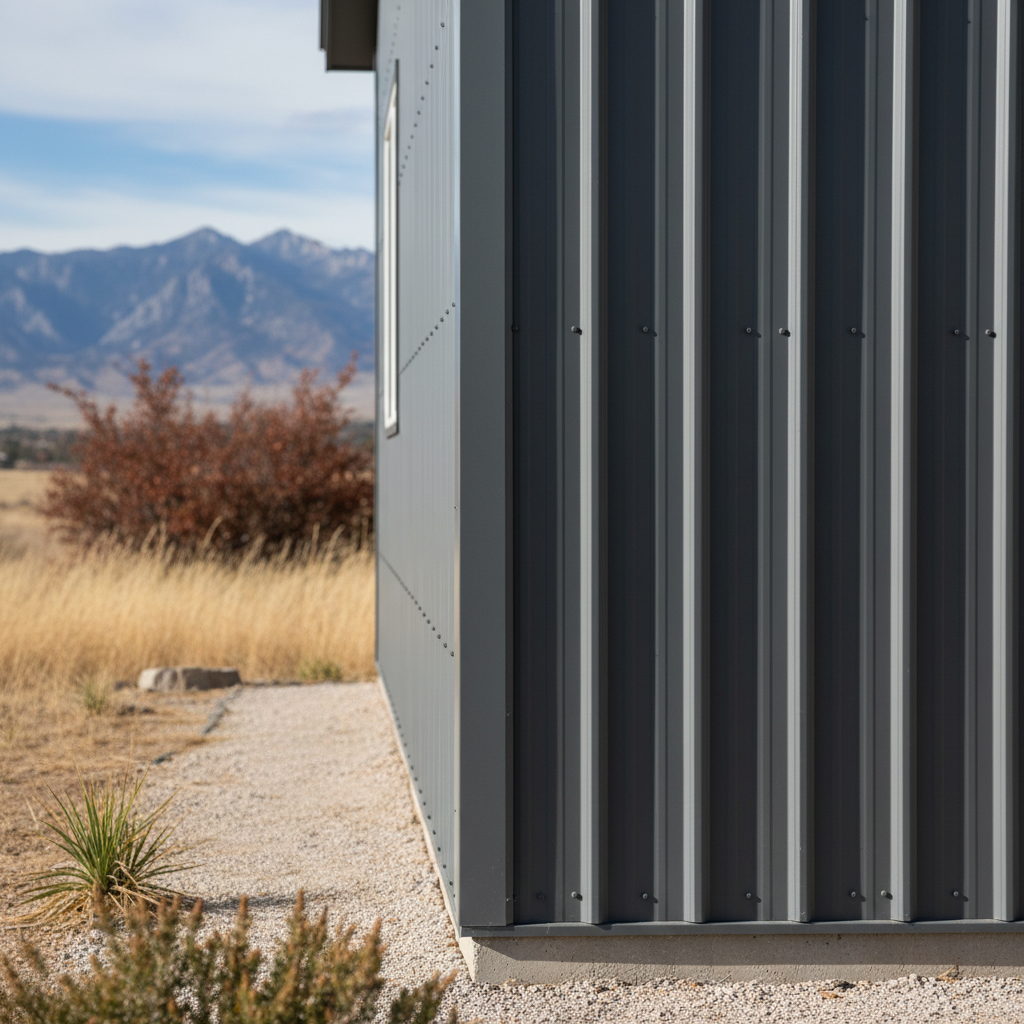
Metal siding is tough, no doubt about it. It's becoming a really popular choice around Ogden, especially with our crazy weather swings – from those hot summer days to the heavy snows we get up in the foothills. But before you jump in, you need to understand what you're getting into. It's not like slapping up some vinyl panels, and it's definitely not a project where you want to cut corners.
Before You Even Think About It: Planning and Prep
First off, think about why you want metal siding. Is it for durability? Low maintenance? Maybe a specific modern look? Knowing your "why" helps you pick the right type. You've got steel, aluminum, and even copper or zinc, though those last two are pretty niche and pricey. Steel is usually the go-to for residential homes. It's strong and comes in a ton of finishes.
Next, budget. Metal siding isn't the cheapest upfront, but it pays off in longevity. Get some quotes. Don't just look at the material cost; factor in labor if you're not doing it yourself, and any necessary prep work like removing old siding or repairing sheathing. Also, consider insulation. Metal itself isn't a great insulator, so you might need to add rigid foam insulation boards underneath. This helps keep your heating and cooling bills down, especially with those biting cold winds we get coming down from the canyons in winter.
DIY vs. Pro? Look, I'm a big believer in homeowners tackling what they can. For metal siding, though, the DIY list is pretty short. You can probably handle the demolition of your old siding. That's messy work, but it's mostly brute force and careful prying. You can also handle the cleanup and disposal. But when it comes to the actual installation? That's where you really need to think hard. Metal panels are heavy, sharp, and unforgiving. Getting them straight, properly fastened, and sealed against moisture takes a lot of skill and specialized tools. If you've never done it, you're looking at a steep learning curve and a high risk of mistakes that could cost you more to fix later.
During the Project: Installation Realities
Let's say you've decided to hire a pro, which for metal siding, I almost always recommend. What should you expect? First, they'll remove your old siding. Then, they'll inspect the sheathing underneath. This is crucial. If there's any rot or damage, it needs fixing before the new siding goes on. You don't want to trap moisture behind your brand new, expensive metal, do you? They'll also likely install a house wrap or a rain screen system. This acts as an extra barrier against water and helps with ventilation.
Then comes the actual siding. Panels are typically cut to size on-site or ordered pre-cut. They're fastened to the wall studs, usually with screws that have washers to prevent water intrusion. This isn't just about slapping them up. It's about precise measurements, making sure everything is plumb and level, and properly flashing around windows, doors, and corners. This flashing is absolutely critical for preventing leaks. If it's done wrong, water will get in, and that's a nightmare you want to avoid.
For the DIYer who's feeling brave and has construction experience, you'll need specialized tools: metal shears, a good drill, a metal brake for custom trim pieces (or you'll need to order them), and safety gear like heavy gloves and eye protection. Seriously, metal edges are no joke. You'll also need scaffolding or a sturdy ladder system. Working at heights with heavy, awkward panels is dangerous. Don't underestimate it.
After It's All Done: Maintenance and Longevity
One of the best things about metal siding is how little maintenance it needs. Once it's up, it's pretty much set. You won't be painting it every few years like wood. You won't be dealing with cracks and warps like some other materials. For the most part, a good rinse with a garden hose once a year will keep it looking fresh. If you have any stubborn dirt or mildew, a soft brush and a mild detergent usually do the trick. Just avoid abrasive cleaners or harsh scrubbing pads, as they can damage the finish.
Keep an eye on the caulking and sealants around windows, doors, and trim. Over time, these can dry out and crack, creating entry points for water. It's a good idea to inspect them every couple of years and re-caulk as needed. Also, check for any loose fasteners, especially after a really windy storm. While rare, a panel could come loose, and you want to catch that before it causes bigger problems.
If you ever notice a dent or scratch, don't panic. Small scratches can often be touched up with paint matched to the siding color. Dents are trickier. Depending on the severity, a professional might be able to pop it out, or you might need to replace a panel. That's another reason why hiring a reputable company like Oasis Siding Solutions for the initial install is smart; they'll often be able to help with repairs down the line if needed. Metal siding is an investment, and with proper installation and minimal care, it'll protect your home for decades.