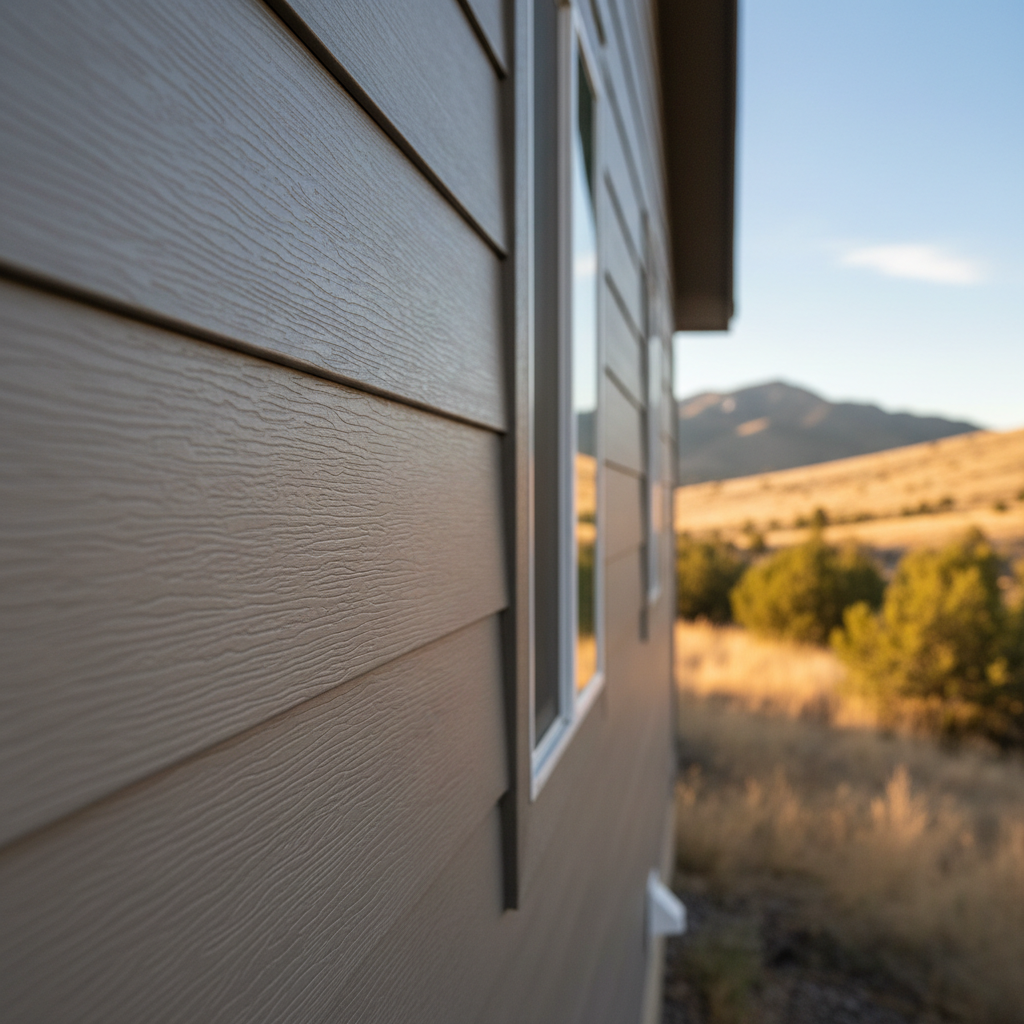
So, you’re thinking about new vinyl siding for your house. Maybe you’re just sick of painting, or your old siding looks pretty beat up. Vinyl’s a popular choice for good reason – it lasts, it doesn’t need much looking after, and it can really give a home a fresh look. But when it comes to putting it on, people often wonder, “How much of this can I actually do myself?” That’s a fair question, and I’m here to give you the real story, based on years of working on homes right here in Ogden.
Before You Even Think About Siding: The Prep Work
This is where a lot of homeowners can save some money, and honestly, get a good feel for the whole project. Before any new siding goes up, there’s some really important prep work that needs doing. And you know what? A lot of it, you can handle yourself.
- Clear the Area: Get everything away from your house. Move bushes, trim trees, take down old light fixtures, mailboxes, house numbers, downspouts – anything attached to the outside walls that isn't structural. You want a clear, open space to work. Oh, and don't forget to pull off any old siding if you're not just putting the new stuff right over it.
- Inspect the Sheathing: Once that old siding is gone, you absolutely need to check the wood underneath. This is super important, especially with our wet springs and snowy winters here in Ogden. Look for any rotten wood, water damage, or soft spots. If you find any, that wood needs to be replaced. You can usually do this yourself if it’s just a few boards. But if it’s a big section, like a whole wall, that might be a job for a carpenter or a general contractor.
- Moisture Barrier: This isn't optional. You need a good house wrap or building paper installed over your sheathing. It acts as a second layer of defense, keeping moisture from getting into your walls. Make sure it’s put on correctly, with overlapping seams that are taped up. It’s not super complicated, but it has to be done right. Think of it like putting a good raincoat on your house.
- Furring Strips (Sometimes): If your walls aren't perfectly flat, or if you're going over old siding, you might need to put up furring strips. These are thin pieces of wood that create a flat, even surface for the new vinyl. It's a bit tedious, but definitely something a DIYer can do.
The biggest mistake I see people make during prep? Rushing, or just ignoring problems. Don't just cover up rotten wood; it'll only get worse and mess up your new siding.
The Installation Itself: Where DIY Gets Tricky
Alright, so you’ve prepped the walls, and you’re ready to start hanging siding. This is where the line between doing it yourself and calling a pro gets much clearer. While you can install vinyl siding yourself, it’s not just snapping pieces together. There’s a real knack to it if you want it to look good and last.
- Starter Strips and J-Channels: These are your foundation, your starting point. The starter strip goes at the very bottom, and J-channels go around windows, doors, and corners. Getting these perfectly level and plumb is absolutely critical. If they're off, your whole wall of siding will be off, too.
- Cutting and Nailing: You'll need special tools like a siding cutter or tin snips, plus a good hammer or nail gun. Nails need to be centered in the slots, not driven too tightly, and not crooked. Vinyl needs room to expand and contract with temperature changes – we see huge swings from summer heat to winter cold in Ogden, so this is a big deal. If you nail it too tight, it’ll buckle and wave. That's a dead giveaway of a DIY job gone wrong, wouldn't you agree?
- Corners and Trim: Getting the corners neat and the trim around windows and doors looking clean takes practice. This is often where a DIY project starts to look less professional. Gaps, uneven cuts, or poorly mitered corners really stand out.
- Working at Heights: Most homes aren't single-story. You’ll be on ladders, maybe even scaffolding. Safety is huge here. If you’re not comfortable working way up high, or if your house has multiple stories or steep gables like some of the older homes in the East Bench area, it’s probably best to leave this to the pros. We’ve got the right equipment and training to do it safely.
For a small shed or a single, easy-to-reach wall, sure, you might give it a shot. But for your whole house, especially if you want a warranty-backed, professional finish, you’re usually better off bringing in a company like Oasis Siding Solutions. We do this every day, and we know all the tricks to make it look flawless and stand up to the elements.
After the Siding is Up: Maintenance and What to Watch For
Once the siding is installed, whether you did it or a pro did, the good news is that maintenance is pretty minimal. That’s one of vinyl’s big selling points!
- Cleaning: A simple wash with a garden hose and a soft brush, maybe some mild soap, is usually all it takes to keep it looking fresh. Do this once a year, especially after the spring pollen and dust settle.
- Inspections: Take a walk around your house a couple of times a year. Look for any loose pieces, cracks, or signs of impact damage. If you see anything, deal with it quickly. Small repairs are easy; big ones can be a headache.
- Caulking: Check the caulking around windows and doors where the J-channel meets the frame. Reapply if it’s cracked or deteriorated. Good caulking is another line of defense against water.
So, there you have it. You can absolutely tackle the prep work, and that’s a great way to get involved and save some cash. But when it comes to actually hanging the siding, especially on a whole house, I’d strongly recommend considering a professional. It’s an investment, and you want it done right so it protects your home for decades.