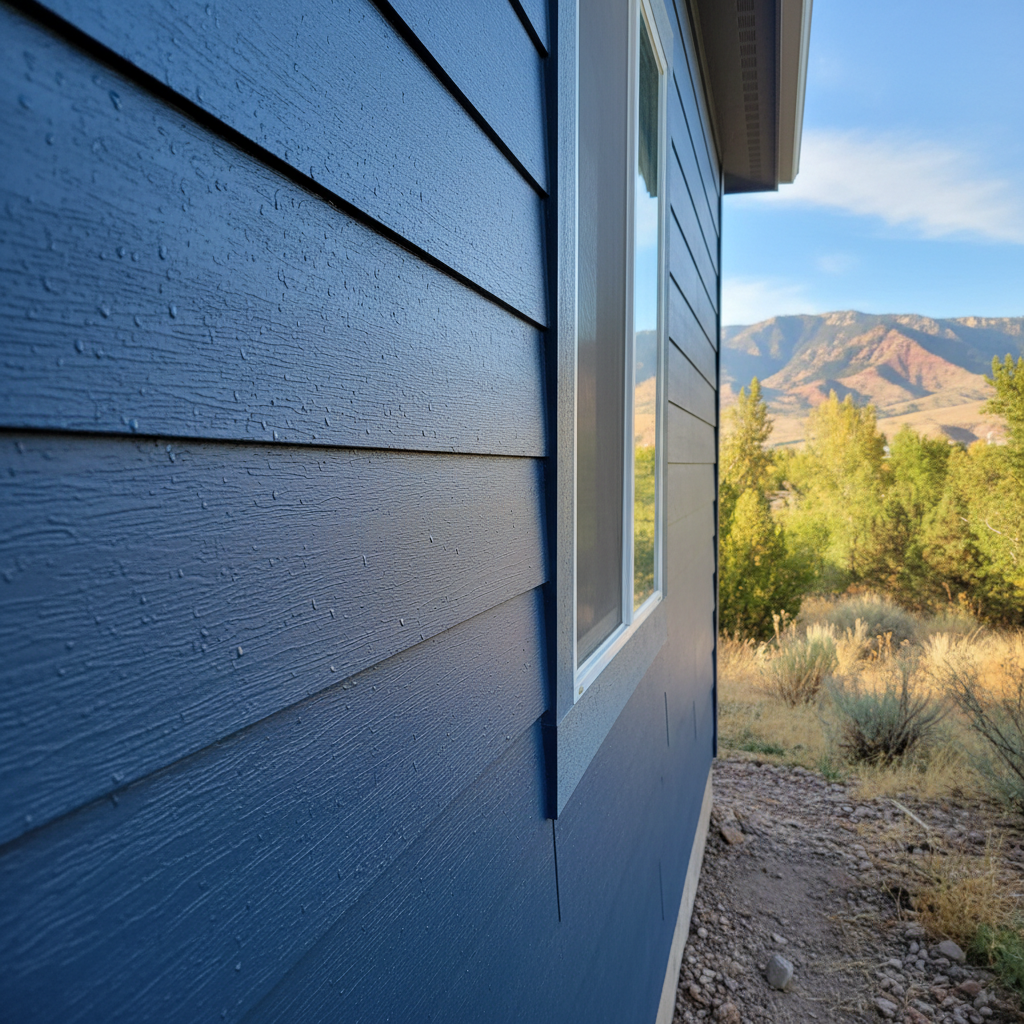
Think your siding might be acting up? You're probably right to be concerned. Your home's siding isn't just there to look nice; it's the first thing protecting your house from our wild Ogden weather. I mean, we get everything from those brutal summer sun rays to heavy snowfalls up on the bench, don't we? Catching problems early can save you a ton of headaches and money down the road. So, let's chat about what you, as a homeowner, can actually do to keep an eye on things and, crucially, when it's time to just pick up the phone.
Before You Even Start: Get Your Stuff Together and Your Head Straight
First off, don't just wander outside and stare blankly. You need a bit of a plan. Grab a notepad, a pen, maybe your phone for pictures, and a pair of binoculars if you happen to have them. A ladder can be handy, but only if you're totally comfortable and safe using it. If you're not, please, don't risk it. That's exactly what we're here for.
Now, think back: when was the last time you really looked at your siding? Was it after a big storm? Did you notice anything odd then? Jot down any spots that have been bugging you. Maybe you've seen a patch of discoloration, or a board that just looks a little off. These are your starting points, your clues.
Your DIY Siding Inspection Checklist: What to Hunt For
Alright, let's get down to business. You're looking for signs of wear, damage, and anything that just seems out of place. Go around your entire house, section by section. Don't rush it; take your sweet time.
- Cracks, Chips, and Holes: These are basically open doors for moisture. Even tiny cracks can let water seep in, which leads to bigger issues like rot or mold hiding behind the siding. Pay extra close attention around windows, doors, and corners.
- Loose or Missing Panels: Wind can be a real beast here in Ogden Canyon, and it just loves to peel off siding panels. If you spot any loose pieces, or worse, missing ones, that's an immediate red flag. They leave your home completely exposed.
- Warping or Buckling: This often happens with vinyl siding, especially if it wasn't installed quite right or if it's been hit by extreme heat. It can also show up on wood siding if it's soaking up too much moisture. If your siding isn't lying flat against the house, something's definitely up.
- Fading or Discoloration: Sure, some fading is natural over the years, but excessive or uneven fading can mean your siding's protective coating is breaking down. Green or black streaks? Those usually point to algae or mildew, which can hold moisture right against your home.
- Rot or Soft Spots: This is a biggie, especially for wood or fiber cement siding. Gently press on any areas that look suspicious. If the material feels soft, spongy, or crumbles, you've got rot. This is serious, and it needs immediate attention.
- Pest Infestation: Keep an eye out for small holes, nests, or droppings. Termites, carpenter ants, and even wasps are big fans of making homes behind or within damaged siding.
- Caulking Condition: Check the caulk around your windows, doors, and trim. If it's cracked, peeling, or missing, it's not doing its job of keeping water out. Simple as that.
When to Call in the Pros (Yep, That's Us!)
So, you've done your walk-around. You've got your notes and pictures. Now, here's when you really need to bring in someone like Oasis Siding Solutions. Don't try to tackle these yourself unless you're a seasoned contractor, okay?
You should definitely give us a call if:
- You find significant rot or structural damage. This isn't just about looks; it could actually impact your home's integrity. We've seen plenty of homes in older neighborhoods like Jefferson Avenue where hidden rot has really done a number on the sheathing underneath.
- You suspect water intrusion but just can't find where it's coming from. Sometimes the leak isn't obvious, but you see signs inside your home, like water stains or peeling paint. We have the right tools and experience to track down those sneaky leaks.
- You're uncomfortable on a ladder or can't reach those high-up areas. Safety first, always. We've got the right equipment and training to inspect every inch of your home safely.
- You're unsure about how bad the damage really is. A small crack might look minor, but it could be a symptom of a much larger problem. We can assess the true scope of it.
- You're dealing with asbestos siding. If your home was built before the 1980s, you might have asbestos cement siding. Seriously, don't mess with it. It requires specialized handling.
- You just want to be sure. Sometimes, you just want a professional pair of eyes on things, right? We can give you an honest assessment and a clear plan, whether it's a simple repair or a full replacement.
After the Inspection: What Happens Next?
Once you've done your part, or we've come out for a professional inspection, you'll have a clear picture of your siding's health. If there are minor issues you're comfortable fixing, like re-caulking a window, go for it! But for anything more significant, get a quote from us. We'll explain exactly what needs to be done, why it needs doing, and what your options are. We believe in being upfront and transparent, so you know exactly what you're getting into. Your home is a big investment; let's make sure its skin is healthy and strong.